


First Time Cannabis Users : A Guide
Legalization of herb is sweeping across the nation with Las Vegas set to make their first legal herb sale in just a matter of days. Although many are already familiar with the effects of herb because of the black market, many people have not had herb in years or are just getting their first taste of the plant now that it’s no longer going to land them in jail. After decades of falsehoods and propaganda, it only stands to reason that many people may be leery of trying herb, despite the potential benefits it could have. If you suffer from chronic pain, cancer, glaucoma, PTSD, seizures, Azheimer's, anxiety, or are seeking pain relief, you can qualify for a medical herb card.
General Effects of Herb
Your endocannabinoid system is unique to you, just like a finger print. Your body chemistry, your environment, and even your mood will affect the way herb affects you. So, until you’ve tried it, you don’t know exactly what effects herb will have on your body. General effects of herb include:
- Euphoria – this uplifting effect is the main reason herb is consumed recreationally
- Relaxation – depending on strain, herb may have overall body relaxation effect, most commonly associated with Indica strains
- Increased Appetite – the dreaded “munchies”, herb consumers typically eat about 600 more calories than their non-smoking counter parts
- Dry Eyes – red, dry eyes are one of the hallmarks of herb use
- Dry Mouth – aka “cotton mouth”
- Drowsiness – herb is an excellent sleep aid
- Anxiety – while some strains may be relaxing to some, others can be very cerebral, causing the user to over-think and may insight feelings of anxiousness
- Temporary Memory Impairment – yes, you might be more forgetful while you’re under the influence, however, studies have shown that cannabinoids actually help protect brain cells
Plan Ahead and Be Prepared
Now that you know how herb may affect you, plan ahead, and be prepared. Making your first experience a positive one is essential for responsible herb use.
1) Your Environment – choose a place where you feel safe and comfortable. Your home or a friend’s house, preferably. Your overall comfort is what is most important. Wherever you are, make sure you don’t have to drive for a few hours.
2) Know Your Herb – different strains have very different effects. Sativas are more cerebral and energizing, which can be anxiety-inducing for some. Indicas are more sedative and relaxing. Hybrids can be a happy medium, but talk to your budtender about your end-goal, listen to their advice, and choose appropriately. Consider a strain lower in THC, or a strain with high-CBD. CBD will actually counter some of the effects of THC, and help keep anxiety away.
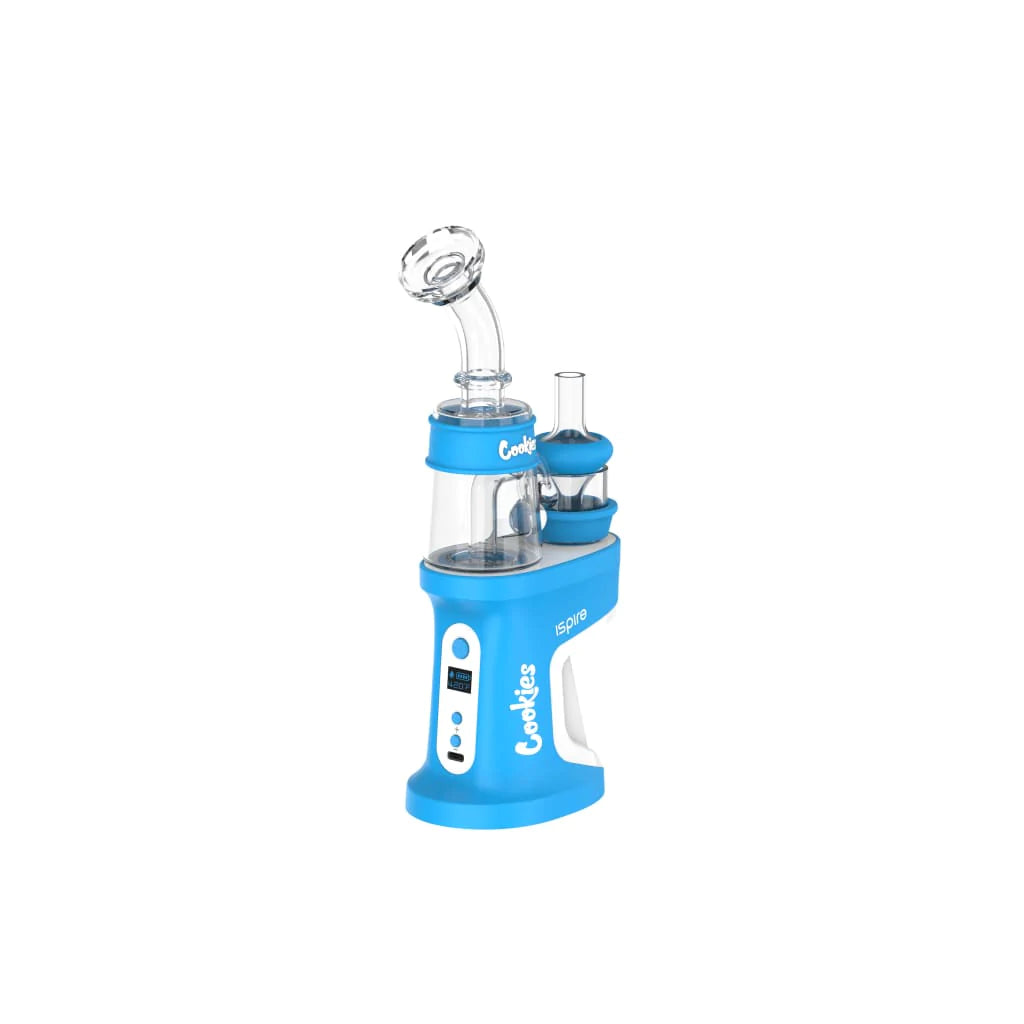
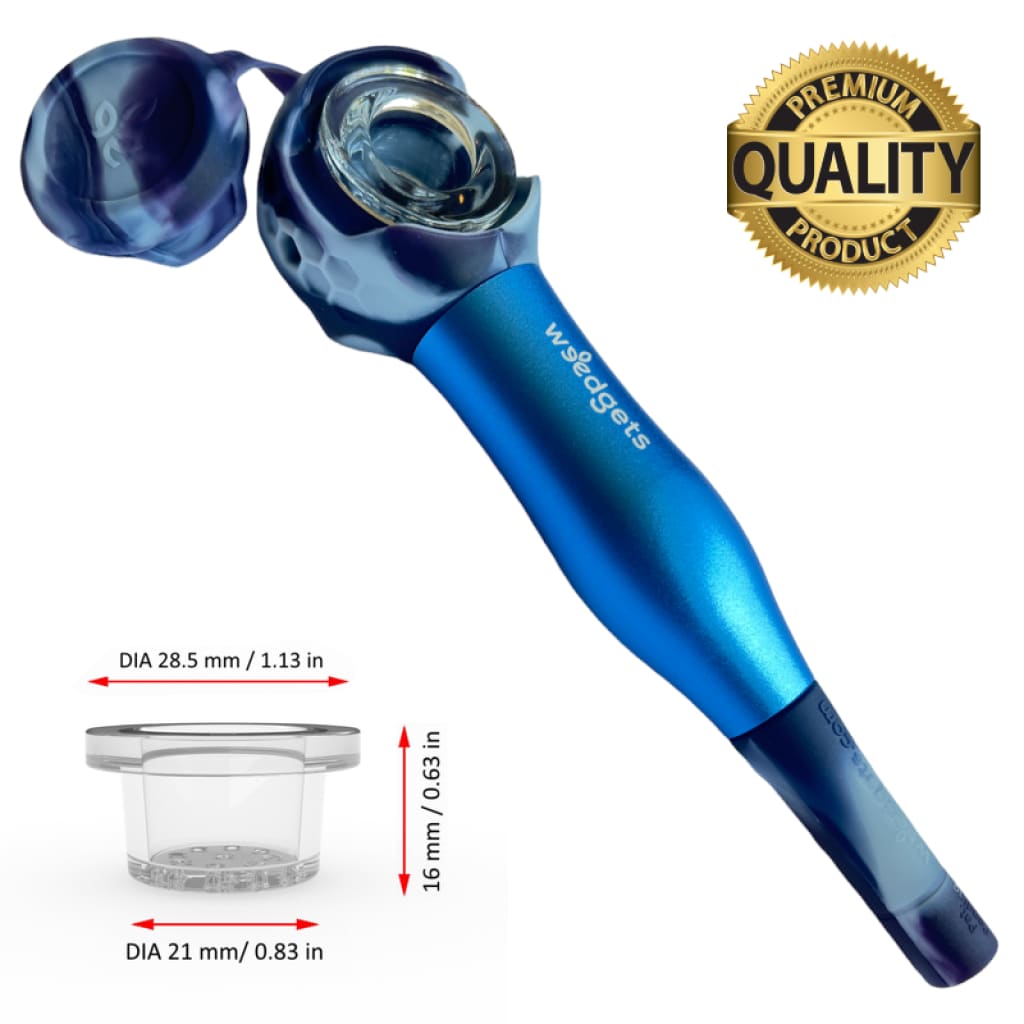
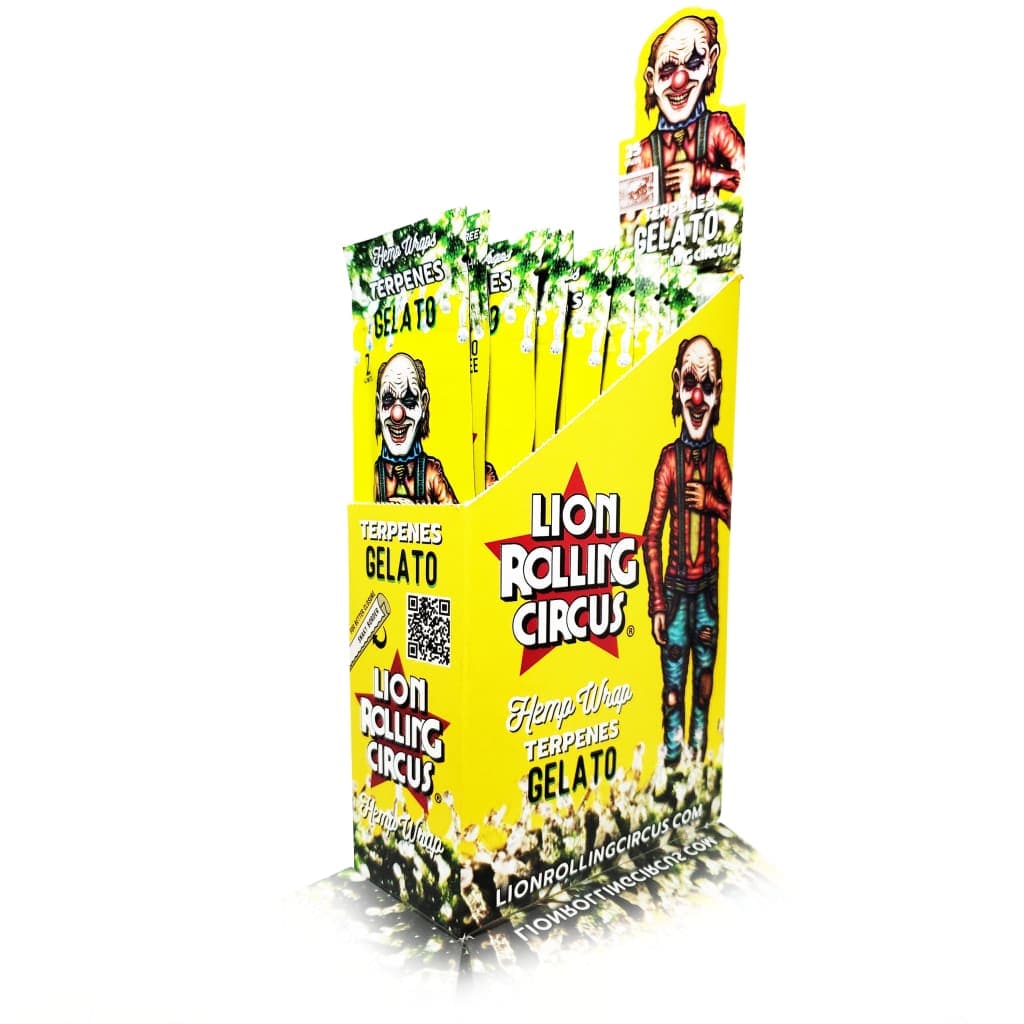
3) Smoking Equipment – you will need a pipe, , vaporizer, or in order to smoke herb, along with a lighter and an ashtray.
4) and accessories – grinding the bud, produces even sized particles which tend to burn more consistently, however, your fingers do a decent job as well. Accessories are optional.
5) Munchies! Always make sure you have something nearby when the munchies kick-in. Drinks and snack are a must.
6) Air Freshener – obviously burning herb has a distinct odor. If you don’t like it, or want to mask it from your neighboring apartment, burn candles or incense.
7) Entertainment – once you blaze up, have something to do or you may just end up getting a really good night’s sleep. Watching movies, listening to music, or anything that involves creativity are great places to start. In the event you feel like you’ve had too much herb. There are a few things to keep in mind.
RELAX – you’re not going to die. No one has ever died from overdosing on herb, and no one ever will. Your endocannabinoid system knows how to handle cannabinoids.
Take a nap – the best way to alleviate the side effects of herb is simply take a nap.
Take CBD – CBD naturally suppresses the psychoactive effects of THC, having some CBD drops or candies handy can prove beneficial.
Edibles – herb of a different sort
Many people today fear smoking thanks to the tobacco industry and most “newbies” to the legal herb market tend to head straight for the edible section. Eating a delicious chocolate just seems much more appealing than risking lung health. However, not understanding the effects of edibles oftentimes leads people down an ugly path. Edibles have a much different effect on the body than smoking herb.
1) Ingesting THC takes longer for the effects to kick in. Depending on your body chemistry, the process of digestion can take anywhere from 30 minutes to 3 hours. New users eat a piece of chocolate or a gummy, then 10-15 minutes when it hasn’t kicked in, they eat 2 more pieces. By the time the THC does kick in… they have 3 full does of THC in their system, and no way to back it up. Once you’ve taken too much, you cannot take less. Go slow.
2) Fatty foods make a difference. THC is fat-soluble, meaning it binds with fat cells to help distribute it throughout your body. If you’ve eaten too many edibles, the last thing you want to do is throw a greasy slab of pizza on top of it, as it will help the THC, and ultimately get you higher. However, because of the munchies and “alcohol mentality” we tend to think we need to eat when we are intoxicated.
3) Drink water. Drinking water (and taking a nap) are the best ways to eliminate THC you’ve ingested. The water will help dilute the THC and slow the absorption. Using herb for the first time can be an unnerving experience, especially if you have no idea what to expect. For your own safety, and to improve your overall experience, be educated about what you’re putting in your body and the effects it may have. Many people all over the country are experiencing miraculous benefits by adding herb into their daily regimens, but most didn’t just dive in overnight. Take your time, take the precautions, and then take a toke.
Ready to Shop?
Find quality gear mentioned in this post at Mile High Glass Pipes: