


Grinders
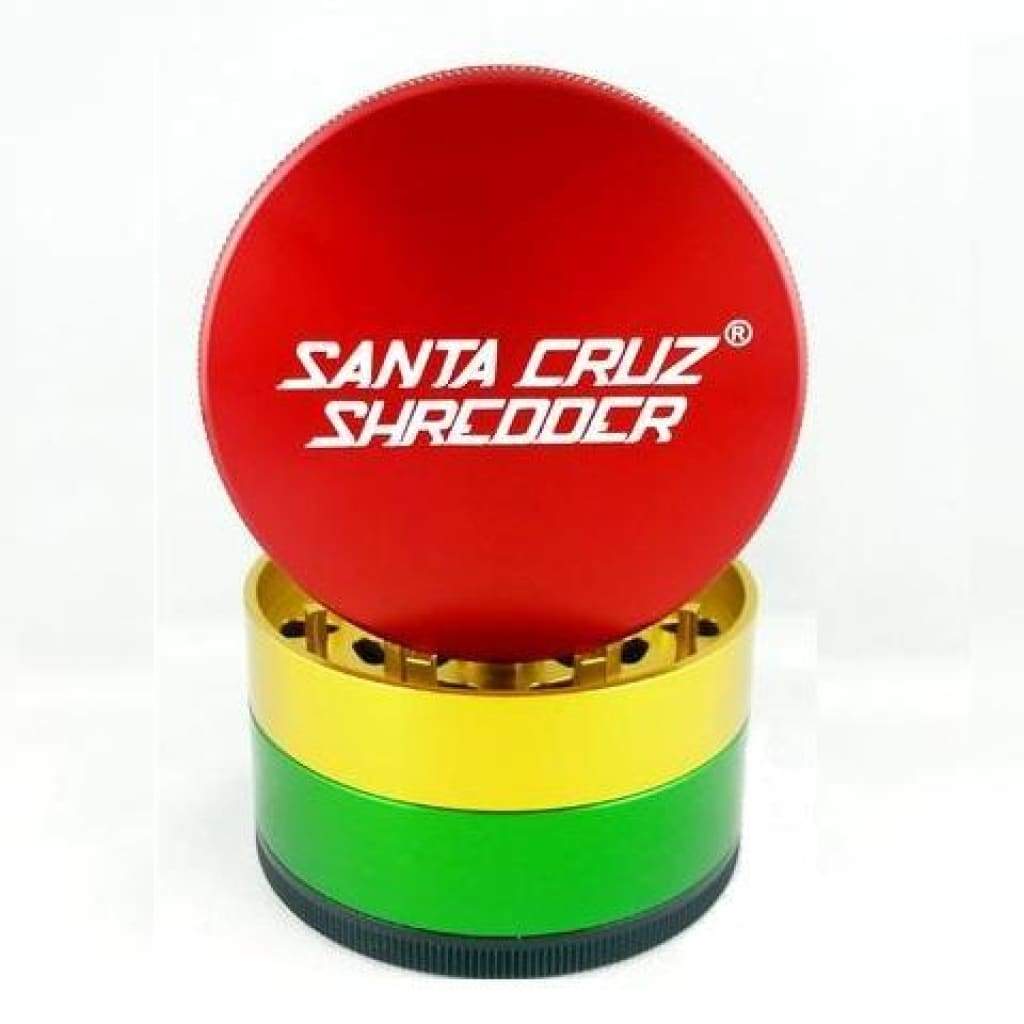
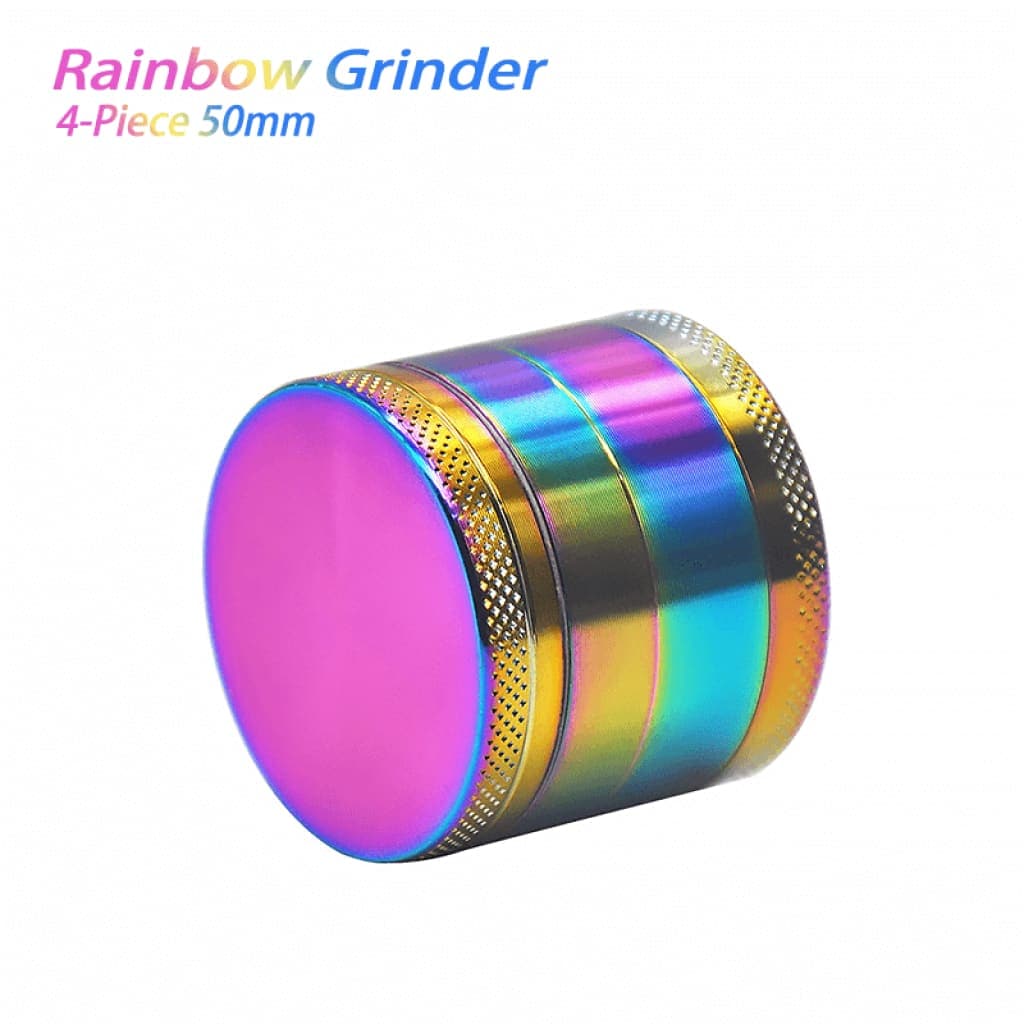
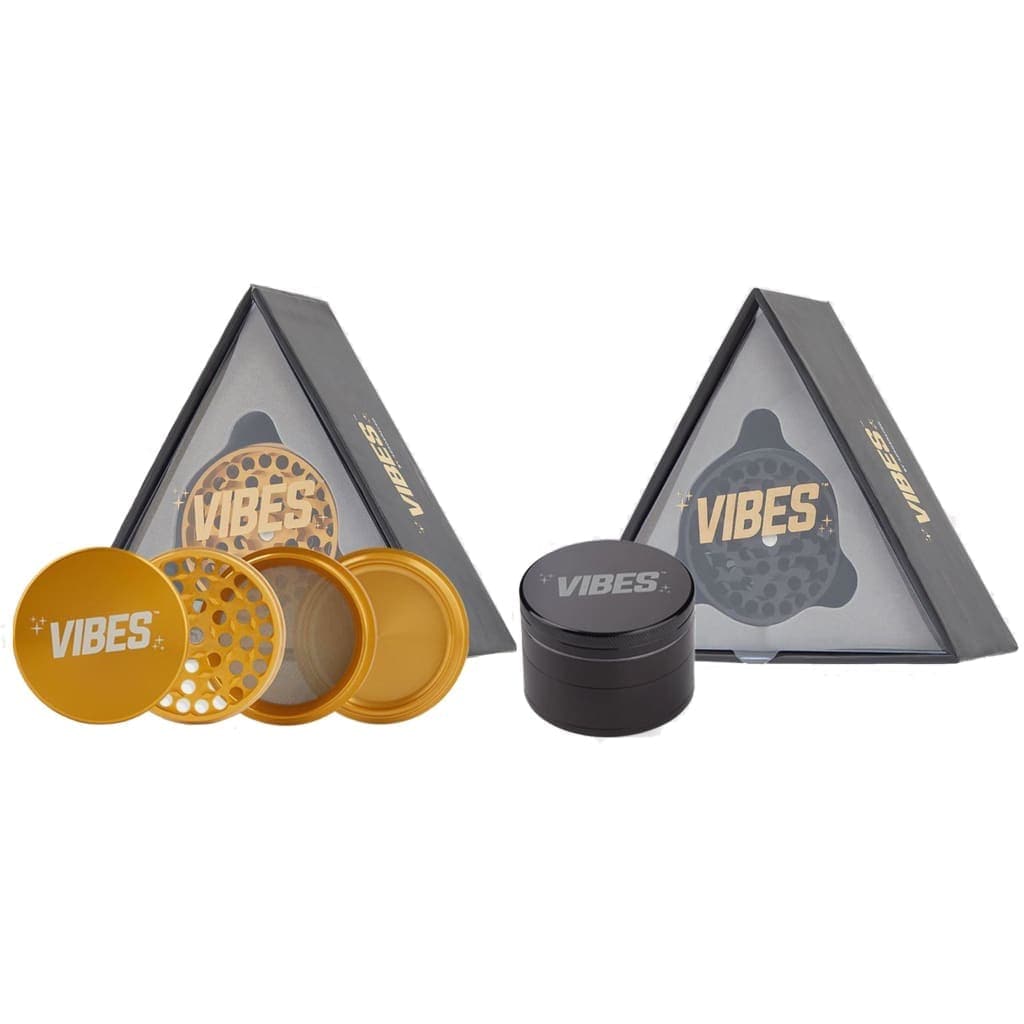
Grind your herbs to the perfect consistency with grinders from Mile High Glass Pipes. We carry 2-piece, 4-piece, and electric grinders in aluminum, zinc alloy, and premium materials.
A quality grinder ensures even burning and maximizes your material. Pair with our rolling papers or hand pipes for the complete session. Free shipping on all grinders.
Choosing an Herb Grinder in 2026
A good grinder is the single most-used tool in any smoke kit — and one of the cheapest quality-of-life upgrades you can make. What separates a $10 grinder from a $60 grinder is: teeth sharpness and pattern, material grade, magnet strength on the lid, and whether it's a 2/3/4-piece design. Here's what to prioritize.
2-piece, 3-piece, or 4-piece — which do you need?
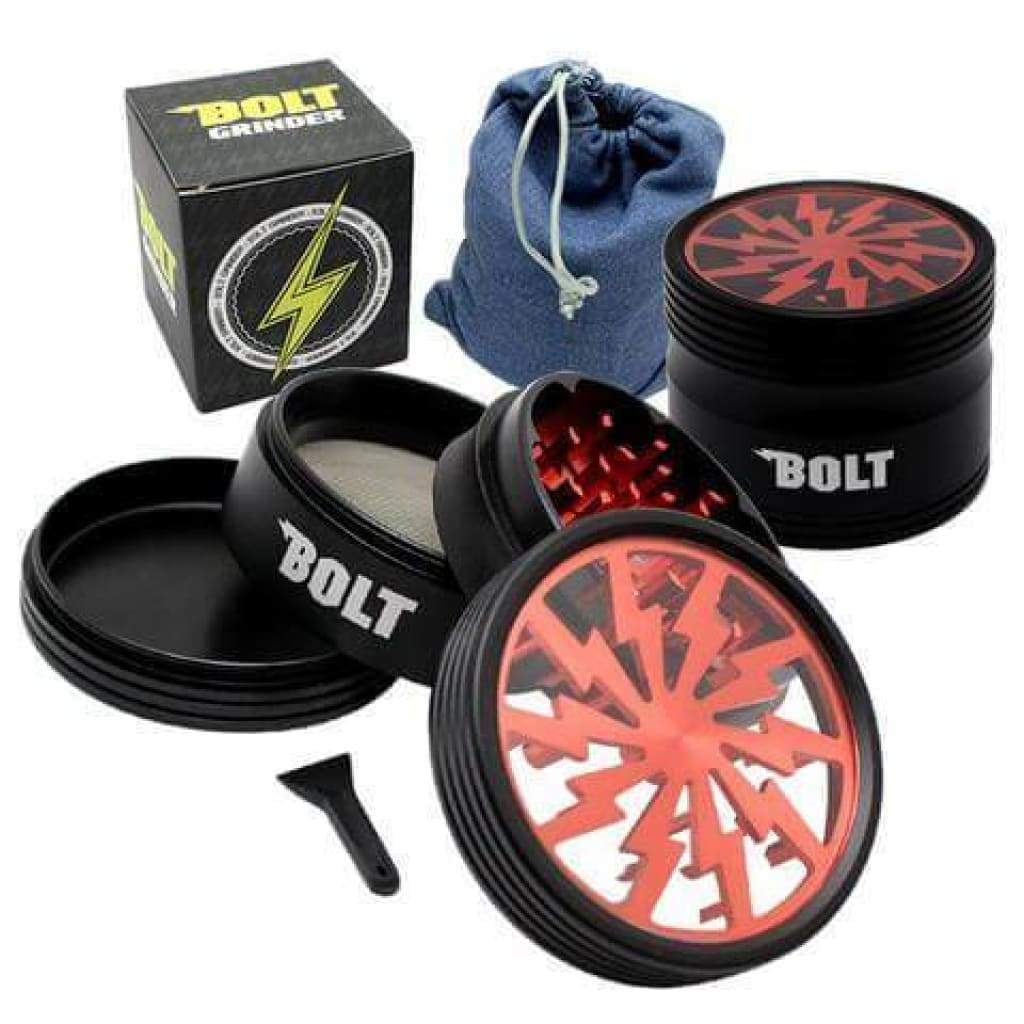
2-piece: just teeth, no collection chamber. Cheapest, but material falls out the bottom when you open it. 3-piece: adds a collection chamber under the teeth. Standard for pocket use. 4-piece: adds a kief screen and bottom catcher — you collect the potent trichome dust separately. Recommended for most users.
Aluminum vs. zinc alloy vs. titanium
Aircraft-grade aluminum is the sweet spot for 90% of users: light, durable, doesn't rust, non-toxic. Titanium is grippier and lasts longer but costs 3-5× as much. Avoid zinc alloy — it's heavier and pits over time, degrading grind quality. Wood grinders look nice but wear fast.
Diamond-cut vs. peg teeth
Diamond-cut teeth (angled with sharp corners) grind fine and fast — best for vaporizers, joints, or anything needing a fluffy grind. Peg teeth (blunt cylinders) give a coarser grind — better for pipes and bowls where dust falls through. Most quality grinders use diamond-cut.
Size
Small (2.0-2.2"): pocketable, one small session at a time. Medium (2.5"): best all-around — handles 1-2 grams comfortably. Large (3"+): hosts and heavy users. Buy one size larger than you think you need.
Cleaning and maintenance
Freeze the metal grinder overnight, then brush out the residue with a stiff-bristle brush. Never soak aluminum grinders in ISO — the anodized finish will pit. Kief chamber only: ISO soak is safe. Deep clean every 4-6 weeks of daily use.
Herb Grinder FAQ
2-piece, 3-piece, or 4-piece grinder — what's the difference?
2-piece is just the grinding chamber. 3-piece adds a collection chamber underneath the teeth. 4-piece adds a kief screen and a bottom kief catcher. For most users, 4-piece is the standard — you get finely ground material AND collect the potent trichome dust that falls through.
What size grinder should I buy?
Small (2.0-2.2"): portable, single-session grinding, easy to pocket. Medium (2.5"): best for most users — handles 1-2 grams per grind. Large (3"+): for heavy users or hosts. Buy one size bigger than you think you need — nothing worse than a grinder that's too small.
Aluminum vs. zinc alloy vs. titanium vs. wood — which grinder material is best?
Aircraft-grade aluminum is the sweet spot: light, durable, doesn't rust, and passes basic FDA-safe standards. Titanium is premium (grippier teeth, longer life) but 3-5× the price. Zinc alloy is cheaper but heavier and can pit over time. Wood grinders look nice but wear the fastest — avoid for daily use.
What tooth pattern should I look for?
Diamond-cut teeth (sharp corners, angled) shred material fastest and finest. Peg teeth (blunt cylinders) are gentler and produce a coarser grind — better for pipes and joints where you don't want dust. Diamond-cut is standard on quality grinders.
How do I clean a grinder?
For metal grinders: freeze overnight (residue becomes brittle), then brush out with a small stiff-bristle brush. Never soak metal grinders in ISO — the finish will pit. For the kief chamber only, ISO soak is OK. Deep clean every 4-6 weeks of daily use.